
Fall Armyworm – The Invasive Pest That Threatens Corn Production
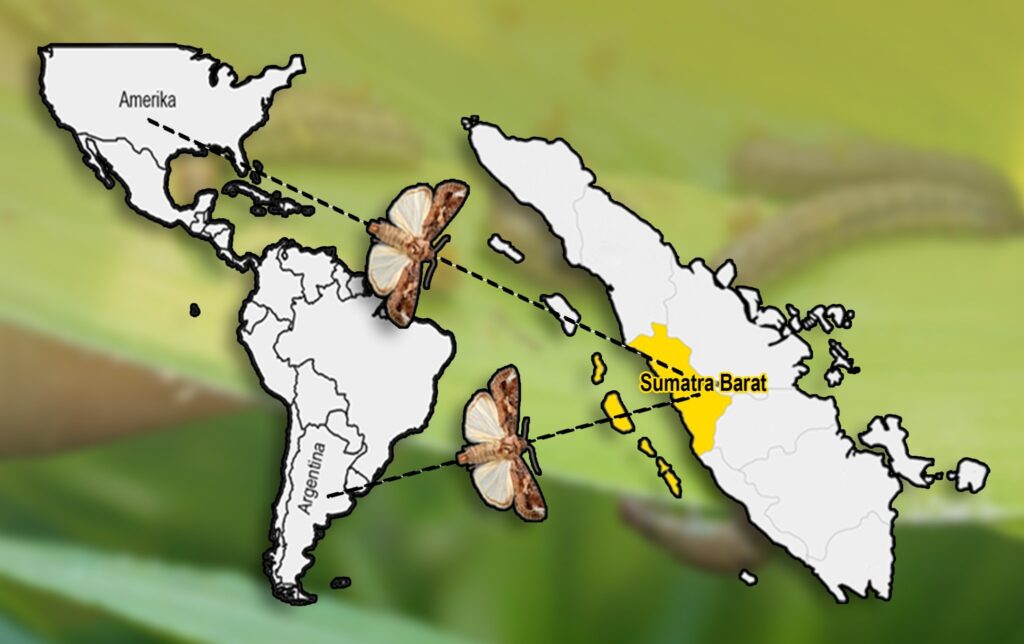
Among the major challenges faced by corn growers today, the Fall Armyworm (FAW), scientifically known as Spodoptera frugiperda, remains one of the most destructive pests. Its aggressive feeding behavior and rapid spread have made it a serious threat to corn production in many parts of the world, including Indonesia. Originally native to tropical and subtropical regions of the Americas, from the United States to Argentina, the Fall Armyworm began spreading across Asia in 2018. The pest was first reported in Indonesia in 2019 West Sumatra, before rapidly expanding to other corn-growing regions throughout the country.
One of the reasons behind its rapid invasion is its remarkable mobility. Adult moths are capable of flying long distances, reaching up to 100 kilometers in a single night. This ability allows populations to spread quickly and infest new areas within a short period of time. The Fall Armyworm is also known for its high reproductive capacity. Female moths lay their eggs in clusters containing approximately 100–200 eggs at a time. After hatching, the larvae initially feed together in groups before spreading across the crop. Their behavior of moving and feeding collectively has earned them the nickname “armyworm,” as they can quickly consume large amounts of plant tissue and leave significant damage behind.
Infestations often develop rapidly, with severe leaf damage occurring within a short period. The larvae feed aggressively on corn leaves and growing points, reducing the plant’s ability to grow and develop properly. In severe cases, crop productivity can be significantly affected. Farmers can identify Fall Armyworm infestations by observing characteristic feeding symptoms. Damaged leaves often show irregular feeding holes and shredded tissue. Another common sign is the presence of coarse, sawdust-like frass left behind by feeding larvae.
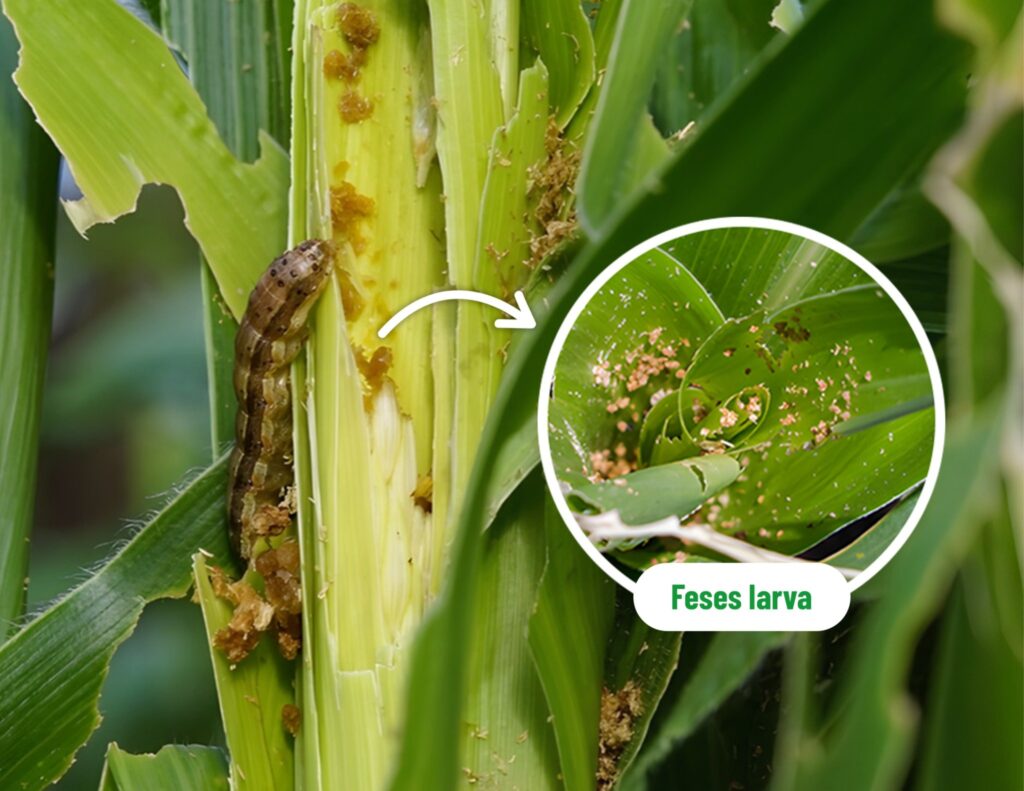
These droppings are frequently found around the whorl or growing point of corn plants, indicating active larval feeding. As the larvae continue to feed, they create irregular holes, shredded leaves, and extensive damage around the plant’s central growth area. In severe infestations, the growing point can be heavily damaged, resulting in stunted growth and reduced plant vigor. One of the biggest challenges in managing Fall Armyworm is its feeding behavior. The larvae often hide deep inside the leaf whorl and other protected parts of the plant, where they remain sheltered from environmental conditions and conventional contact insecticide applications. As a result, infestations may continue developing even after treatment if the pest is not properly targeted. The risk becomes even greater as the larvae mature. Older larvae consume significantly more plant tissue than younger stages, allowing crop damage to escalate rapidly within a short period. Under favorable conditions, large infestations can spread across a field and cause substantial yield losses if left uncontrolled.
For this reason, regular field scouting is essential, particularly during the early vegetative stages of corn growth. Farmers are encouraged to inspect the whorl area for feeding damage, fresh frass deposits, and the presence of larvae. Detecting infestations at an early stage allows for more effective control measures and helps prevent widespread crop damage.
Timely intervention is critical, as delaying control efforts can increase both the severity of the infestation and the cost of management. By monitoring fields regularly and responding quickly to early signs of attack, farmers can significantly reduce the impact of Fall Armyworm and protect crop productivity throughout the growing season.
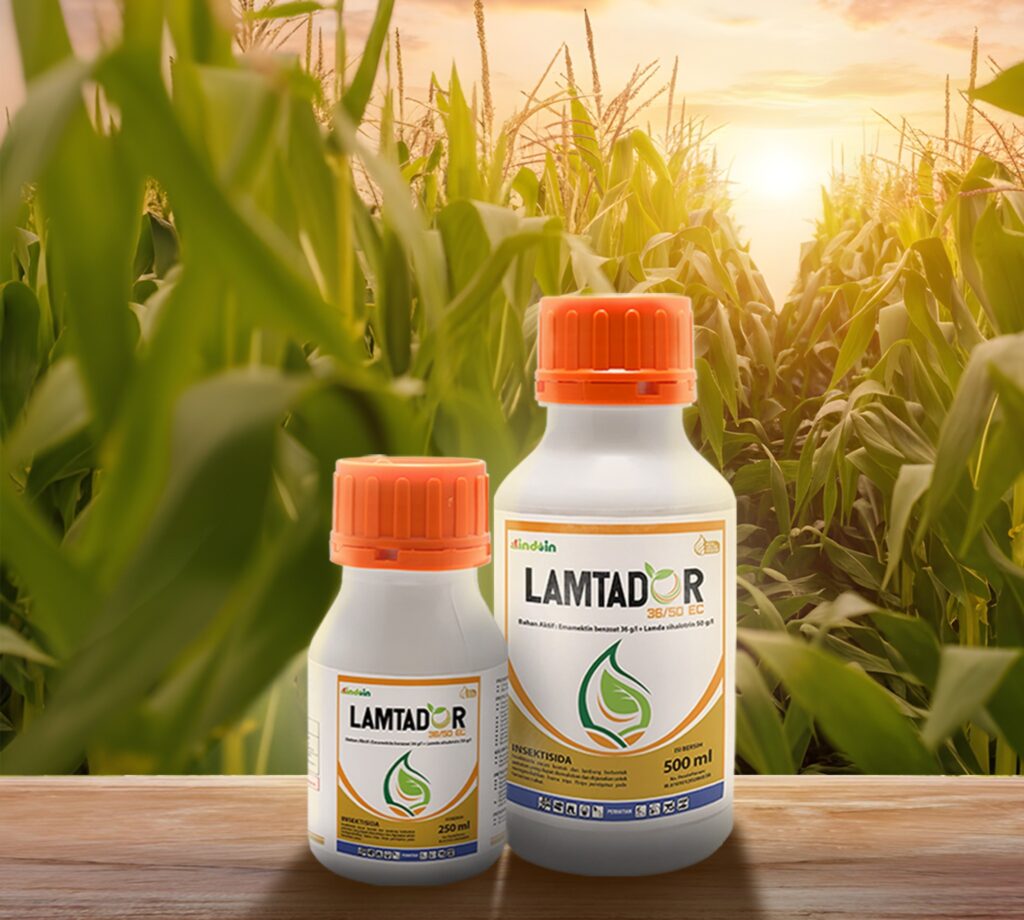
One solution for managing Fall Armyworm infestations is the use of Lamtador 36/50 EC. Its combination of Emamectin benzoate and Lambda-cyhalothrin provides dual-action control, while its translaminar properties help the active ingredients penetrate leaf tissues where larvae often hide. This mode of action helps stop larval feeding quickly and supports effective pest control, reducing the risk of further crop damage and helping farmers protect their corn yields.
As Fall Armyworm continues to be a major threat to corn production, regular field monitoring, early identification of symptoms, and timely pest management remain critical steps in maintaining healthy and productive crops.